

Sustainability
The Museum Tramway Amsterdam preserves moving heritage in a way that fits the present day: using materials, energy and the landscape wisely, while passing knowledge on to new generations.
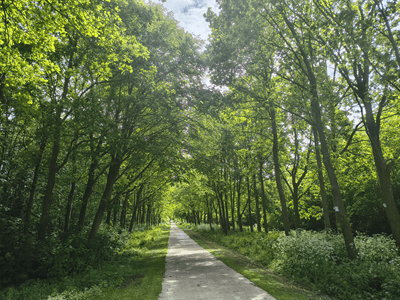
Sustainable heritage that connects
Our trams, workshop and railway line show that preservation is also a form of sustainability. We restore, repair and reuse as much as possible. Where possible, we use water-based paint and synthetic oil for lubrication during restorations.
Our museum trams run on 100% green electricity wherever possible. In doing so, our own railway line also tells the story of energy transitions in rail transport: from steam in 1915, to diesel in 1954, to electric museum trams in 1975, and to green electricity from 2015 onwards.
Reuse
Historic vehicles remain in service because parts, knowledge and craftsmanship are put to work again. This prevents waste and keeps traditional skills alive.
Green energy
Our aim is to operate our moving heritage with the smallest possible ecological footprint, including by using green electricity.
Awareness
Visitors experience how public transport offered a sustainable alternative from an early stage. The ride makes technology, history and environmentally conscious travel tangible.
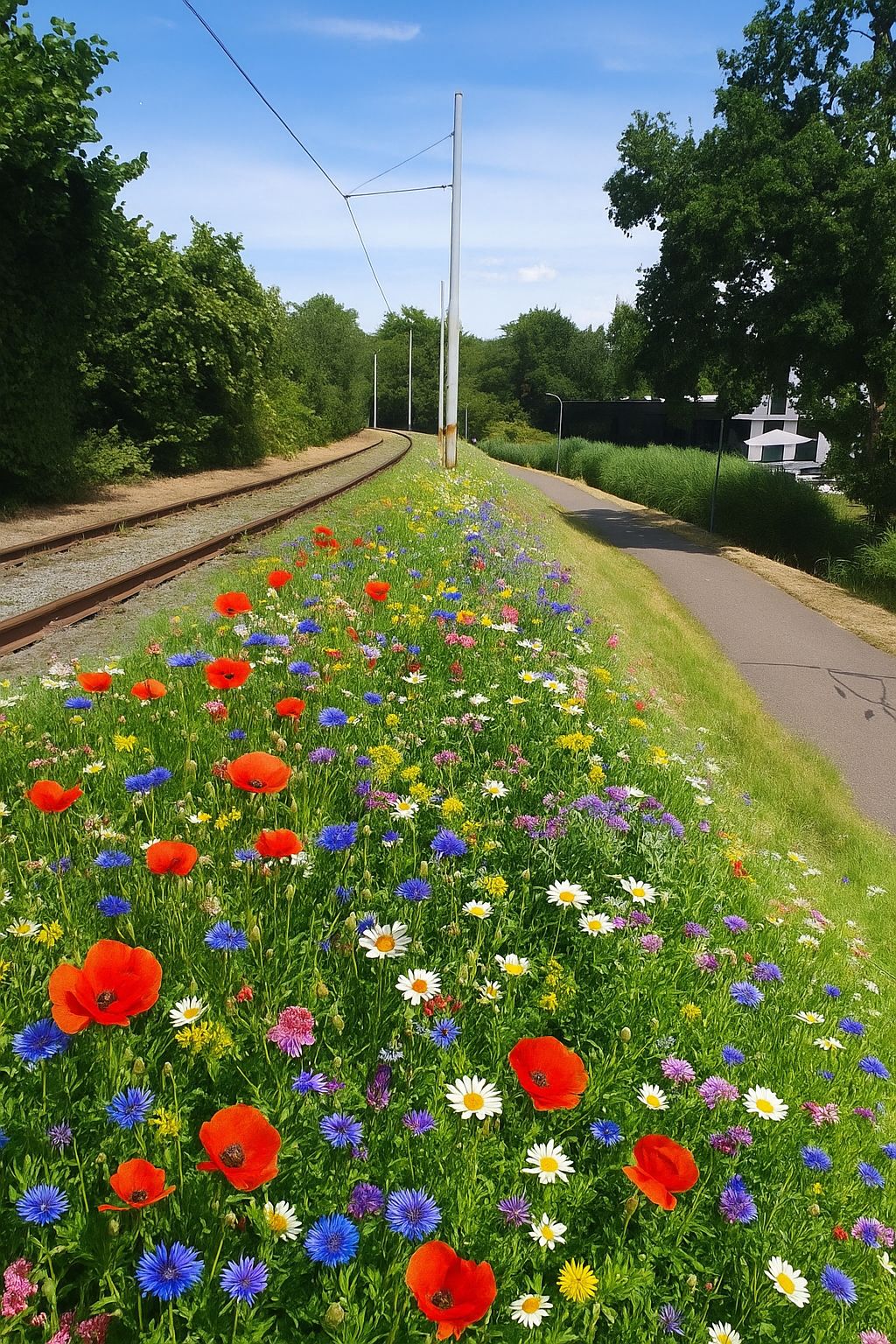
A green connection through the city
The railway line forms an important ecological corridor. It connects five parks and the Amsterdamse Bos. That is why we work with ecologists from Amsterdam and Amstelveen to support biodiversity along the line.
In this way, the Museum Tramway brings cultural heritage, green management, education, cooperation and enjoyment together. It is rewarding work, but also a responsibility we take seriously.